
Live Nation's Berchtold Says Its Concert Scale Gives Its Venues an Edge While Dismissing Settlement Criticism
Live Nation President and CFO Joe Berchtold is openly touting the competitive advantages created by the company's scale across concert…
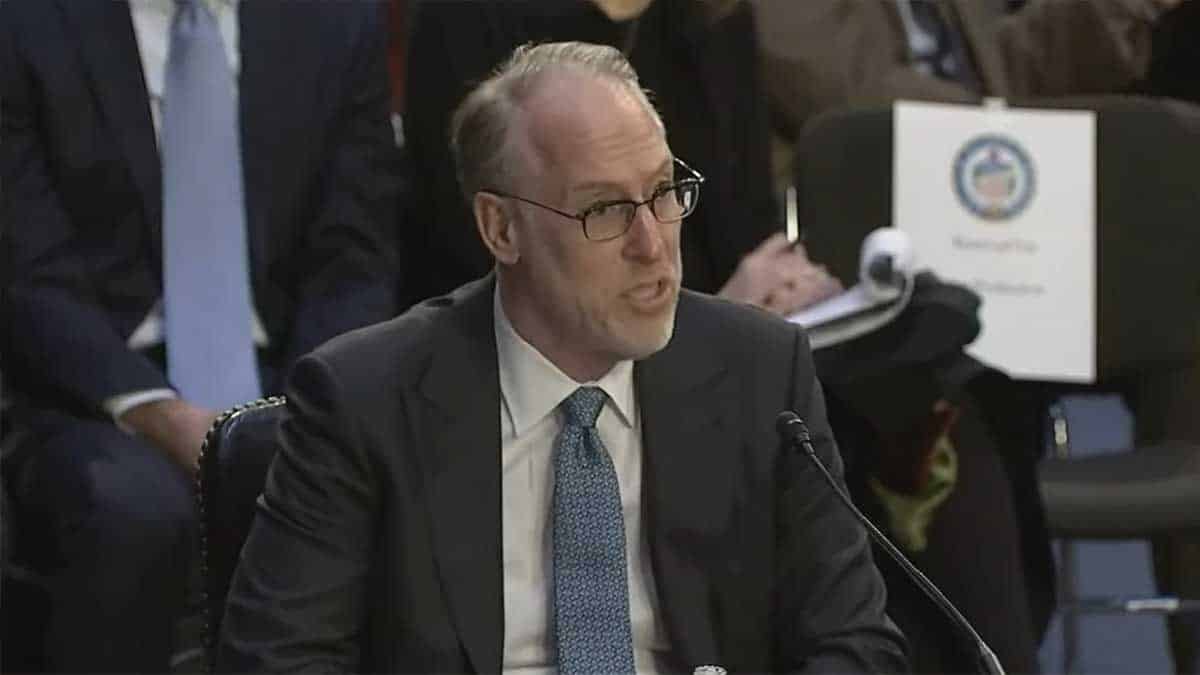
Live Nation President and CFO Joe Berchtold is openly touting the competitive advantages created by the company’s scale across concert promotion, venues and ticketing even as a wide range of rivals, state attorneys general and industry groups urge a federal judge to strengthen or reject its proposed antitrust settlement with the Justice Department.
Speaking at Goldman Sachs’ Communacopia & Technology Conference on Sept. 9, Berchtold described Live Nation’s massive concert-promotion operation as a key advantage when the company invests in and operates venues.
Venues are heavily dependent on utilization to produce attractive returns, Berchtold explained. Because Live Nation promotes so many shows, he said, the company has a “better ability than anybody else” to keep those buildings busy. Live Nation says its Venue Nation investments have generated returns exceeding 20%.
The comment is not an admission that Live Nation uses its promotion business to deny competitors access to venues. Berchtold instead presented the relationship as a legitimate economic advantage that helps Live Nation make venue investments profitable and expand the overall concert market.
But the description is notable because control of concert promotion and important venues has become one of the central issues in the company’s continuing antitrust fight.
AEG Presents and veteran promoter Louis Messina recently urged the federal court reviewing Live Nation’s proposed settlement with DOJ to reject the agreement, arguing that it leaves intact structural advantages that make it difficult for independent promoters to compete.
Venue Scale at Center of Rival Complaints
Messina’s Tunney Act filing offered a particularly direct version of that complaint.
He alleged that beginning in 2024 Live Nation stopped returning his calls when he attempted to route several artists through Live Nation-controlled amphitheaters. Messina cited difficulties involving Old Dominion, The Lumineers, Shawn Mendes and Mumford & Sons, arguing that a promoter’s ability to compete for a tour can become largely theoretical if that promoter cannot secure access to the venues needed to construct it.
Those allegations have not been independently established by the court, and Live Nation has broadly rejected competitors’ criticism of the settlement.
Berchtold offered a decidedly different description of the same vertical integration from the perspective of Live Nation investors.
The company has become a better venue operator, he said, while its concert-promotion volume helps ensure those venues receive sufficient programming. Live Nation has expanded from operating about five arenas a decade ago to 25 today, with much of that growth occurring outside the United States.
Berchtold said 47 of the world’s top 75 international markets lack sufficient modern arena infrastructure, creating what Live Nation sees as a decade-long development opportunity. Arenas and arena-like properties in Europe, Asia and Latin America are now Venue Nation’s top development priority.
Live Nation argues those investments expand the market rather than simply taking business from competitors, creating additional infrastructure that allows artists to perform for more fans in markets that cannot currently support as many major tours.
That distinction is central to the antitrust dispute: Live Nation presents its combination of promotion and venue operations as an efficiency that allows it to create and utilize more concert infrastructure, while competitors contend control across those businesses can also give the company leverage unavailable to standalone promoters.
Berchtold Dismisses Settlement Critics
Berchtold also directly addressed the wave of Tunney Act objections filed against the Justice Department settlement.
The public-comment process drew opposition from competing ticketing companies and promoters, trade and advocacy groups, and the 17 states and District of Columbia that continued pursuing the antitrust case after DOJ reached its agreement with Live Nation and Ticketmaster.
Berchtold characterized much of that opposition as coming from competitors seeking a more advantageous marketplace.
“They’re competitors that say, ‘I would like you to cripple them more so that I can have an easier time competing with them,’” Berchtold said.
He said Live Nation believes DOJ’s settlement is fully responsive to the facts developed in the case and separately questioned the jury verdict obtained by the states that remained at trial. Live Nation has post-trial motions pending and is preparing for a remedies proceeding expected next year. Berchtold said the company remains prepared to appeal an adverse result and suggested the dispute could ultimately raise issues appropriate for Supreme Court review.
| TicketNews’ Tunney Act Comment Coverage |
|---|
| Live Nation President and CFO Joe Berchtold dismissed criticism of the DOJ settlement as competitors seeking to make the company easier to challenge. TicketNews has reported extensively on the formal Tunney Act submissions, which raise objections ranging from venue access and Ticketmaster infrastructure to resale restrictions and questions about how the settlement was reached. |
| PPI Urges Judge to Reject Live Nation Settlement, Break Ticketmaster Into Multiple Companies — The Progressive Policy Institute called for separating Ticketmaster from Live Nation and then breaking Ticketmaster into smaller companies, arguing another behavioral settlement would repeat earlier failures. SeatGeek Urges Rejection of Live Nation Settlement, Warns It Could Entrench Ticketmaster — Ticketmaster rival SeatGeek argued the settlement fails to address venues’ fear of losing Live Nation concerts and could cement Ticketmaster as the back-end infrastructure underlying competing ticket marketplaces. NIVA Calls for Ticketmaster Breakup, 50% Cap on Live Nation Tour Control — The National Independent Venue Association sought structural remedies including separating Ticketmaster, limiting Live Nation’s control of major tours and divesting artist-management interests. Taylor Swift Promoter Says Live Nation Shut Him Out as AEG Calls for Ticketmaster Breakup — AEG called for separating Ticketmaster from Live Nation, while promoter Louis Messina separately alleged Live Nation had denied him access to amphitheaters needed to route tours for artists that wanted to work with him. Antitrust Institute Urges Judge to Probe Political Motives Behind Live Nation Settlement in Tunney Act Filing — The American Antitrust Institute argued the court should investigate whether political considerations or an undisclosed arrangement influenced DOJ’s decision to abandon structural relief. State AGs Say DOJ’s Live Nation Settlement Could Make Ticketmaster More Powerful — Attorneys general from 17 states and the District of Columbia argued portions of the agreement could make Ticketmaster an even more entrenched technological gatekeeper and called for additional discovery into the settlement process. TicketNetwork Targets Resale Conditions in DOJ’s Live Nation-Ticketmaster Settlement — TicketNetwork challenged eligibility requirements tied to competitors’ resale businesses and sought stronger guarantees around interoperability, data separation and nondiscriminatory access to Ticketmaster infrastructure. |
The objections summarized in those filings differ substantially in their proposed remedies and theories of harm. But many share a central concern: that the DOJ agreement leaves intact substantial advantages arising from Live Nation’s position across promotion, venues and ticketing.
Those are also businesses Berchtold described to Goldman Sachs investors as benefiting from considerable scale.
Ticketmaster’s Data Advantage
Discussing Ticketmaster’s growth strategy, Berchtold said the platform is investing heavily in business-to-business products intended to help venues and other clients with pricing, marketing and show optimization.
Ticketmaster, he said, has “more of the data than anybody else,” giving the company information it can use to develop increasingly sophisticated tools for its clients.
The comment is significant in light of the Tunney Act debate because several objectors have focused not simply on Ticketmaster’s consumer-facing ticket marketplace, but on its position as the underlying technology provider for venues and potentially for rival distributors operating under the proposed settlement.
DOJ’s agreement would require Ticketmaster to permit qualifying competitors to distribute some primary ticket inventory while Ticketmaster could continue supplying inventory management, authentication and other back-end technology. The department argues that model could lower the substantial technological barrier a rival currently faces when attempting to win a venue’s ticketing business.
Critics have argued the same structure could preserve Ticketmaster as an indispensable intermediary even when another company makes the retail sale.
Berchtold’s remarks do not settle that debate. But together with his comments about venue utilization, they provide an unusually direct description of what Live Nation itself considers advantages of its scale.
Its concert-promotion business can help keep its venues busy. Additional venues can create more attendance, sponsorship and ticketing opportunities. And Ticketmaster’s enormous volume of transactions gives it a data set that Berchtold says can support increasingly valuable tools for venue clients.
Live Nation presents those relationships as efficiencies that allow it to invest more heavily, operate venues more effectively and expand the overall live-entertainment market. Its critics argue that some of the same connections make it difficult for companies operating in only one part of the business to compete on equal terms.
That disagreement now sits at the center of two parallel proceedings.
Judge Arun Subramanian must determine whether the DOJ settlement satisfies the Tunney Act’s public-interest requirements, including after reviewing the objections submitted during the public-comment period. Separately, the states that continued to trial are pursuing remedies following their April jury victory, while Live Nation and Ticketmaster are asking the court to overturn that verdict or grant a new trial.
Read next
More headlines

Sep 23, 2026
Ninajirachi Extends North American Tour With 12 New Dates
Ninajirachi has added 12 North American dates to her “I Love My Computer and It Loves Me” tour, extending the…

Sep 23, 2026
Ed Sheeran Gillette Refunds Reported, But Fans Still Haven't Been Told They're Available
Ed Sheeran fans holding tickets for this week’s two Gillette Stadium concerts are now reporting that Ticketmaster is granting full…

Sep 23, 2026
AC Grand Rapids Taps vivenu for Ticketing Ahead of Inaugural 2027 Season
AC Grand Rapids has signed a multiyear agreement with vivenu to handle ticketing for the soccer club’s inaugural season at…